Hair loss: Tips for managing
Table Of Content
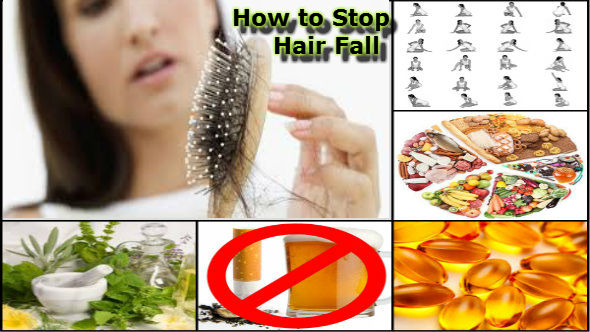
Applying a hair mask before you go to sleep can really make your mask work for your benefit. While you snooze away, the nutrients your hair needs to live its best life make their way to your hair and scalp. "This allows maximum penetration of moisture, lipids, and proteins to penetrate the hair cuticle to serve as the best foundation for the hair to retain elasticity and strength," Hill says. Alopecia areata is an autoimmune disease that causes hair to fall out in nickel- or quarter-size patches. “Your body’s immune system is attacking the hairs,” Brodell says.
What are the symptoms of hair loss?
A healthy balanced diet is also important in stress reduction too as it can support a healthy immune system, repair damaged cells and even reduce elevated cortisol levels. Getting enough protein in your diet is essential as it provides the building blocks for proper hair growth; meat, tofu, eggs, beans, grains, nuts, and fish are all good protein sources. Some studies suggest that telogen effluvium can also be connected to low levels of iron, so include iron-rich foods like leafy vegetables, lentils and liver where you can. If you like the idea of adding supplements to your routine, there are some which are specifically formulated to contain ingredients that increase hair thickness and health. The good news here is that, most often, after this sudden shedding, the hair growth cycle will normalize, and your hair will eventually grow back normally, says Gaunitz. That's so long as there are no other types of underlying hormonal, genetic, or nutritional factors at play, he notes.
What causes hair loss?
Once your dermatologist finds the cause(s), your dermatologist will tell you whether treatment is recommended. Sometimes, your hair will regrow on its own, making treatment unnecessary. If your dermatologist suspects that the cause of your hair loss could be a disease, vitamin deficiency, hormone imbalance, or infection, you may need a blood test or scalp biopsy. Excessive hair shedding can become long-term if you continue to experience high levels of stress for an extended period.
Look into medical hair restoration treatments.
Someone with telogen effluvium can lose 300–500 hairs daily. See your doctor if you are distressed by persistent hair loss in you or your child and want to pursue treatment. For women who are experiencing a receding hairline (frontal fibrosing alopecia), talk with your doctor about early treatment to avoid significant permanent baldness. A healthcare provider will do a thorough examination and take a detailed history to understand changes in your hair growth. Your provider will also ask about what medications or supplements you currently take. All these remedies can help reduce hair fall and may also reverse it if you follow them diligently.
Avoid Tight Hairstyles
In hair fall, you lose your hair strands, and hair loss is its more advanced stage where you are not just shedding hair but also losing its density. What is happening is that you are losing hair, and the rate at which your hair grows is declining,” says Mumbai-based cutaneous surgeon Dr Satish Bhatia. Yes, it is normal for us to lose some hair as part of the natural hair growth cycle.
Some people find comfort in talking with a mental health professional if their hair loss causes discomfort. Others may find relief in changing their hairstyle or wearing a wig. Hence, instead of investing your time and money in such treatments, if you have mild hair fall, it is better to opt for natural alternatives that are completely safe for your scalp and skin.
Best Serum: Minimalist Hair Growth Serum With 3% Redensyl
If your hair loss results from medication, hormonal imbalances, thyroid disease or diet, your provider will address the cause. Correcting the underlying problem is often all that’s needed to help stop hair loss. Baldness (androgenic alopecia) is the most common type of hair loss. Some types, like cicatricial alopecia, are permanent, while others that may be caused by stress or a medical condition are temporary. Once the cause has been identified and eliminated, your hair should start growing back. Avoid harsh hair treatments like heating tools, hair dye and bleaching.
Stress causing hair fall? Stop it with these most effective tips
Studies dating back several years suggest vitamins help prevent hair loss. Very low calorie diets can deprive the body of essential nutrients, including those necessary for healthy hair, such as protein, fatty acids, and zinc. Crash diets do not usually result in permanent weight loss.
Discuss your hair loss with your friends, family and loved ones, preferably early on. Let them know how you feel about it and what kind of support you need. It's not easy, but try to come to terms with your hair loss. One way to do this is to make a list of all your good qualities and focus your energy on celebrating these attributes. Losing your hair as a woman, especially if you're young or at a vulnerable time in your life, can badly affect your confidence. By Sarah Jividen, RNJividen is a freelance healthcare journalist.
If the tips above aren't helping or you feel like you are experiencing excessive hair shedding, you may want to speak to your doctor to rule out other health conditions. A dermatologist may prescribe medication or recommend in-office treatments like PRP or vitamin B complex injections to address your hair shedding. The type and severity of hair loss you experience may determine the outcome (prognosis).
It is important to eat a healthy diet and avoid harsh treatments like curling and dyes. As with medical conditions, physical changes that stress the body, especially if they cause hormonal changes, can lead to excessive hair shedding. This usually happens a few months after the stressor occurs and stops when the body's hormone levels have readjusted. Female-pattern baldness typically starts with scalp hairs becoming progressively less dense. Many women first experience hair thinning and hair loss where they part their hair and on the top-central portion of the head. One of the best preventative measures you can take against hair shedding is incorporating scalp care into your regular haircare routine.
The heating system installed inside homes during winters can further aggravate the damage done to your hair, thus causing it to fall more. Apart from the home remedies mentioned above, there are some simple pointers you can follow to prevent hair loss. For example, detangling your hair before bed prevents frizz and knots that might cause damage or hair fall. Caffeine in topical formulations such as shampoo and conditioner may prevent hair loss as effectively as monoxidil, according to a 2020 review. Caffeine stimulates metabolism and the proliferation of cells.
The 10 Best Shampoos for Thinning Hair of 2024, Tested by Real People - PEOPLE
The 10 Best Shampoos for Thinning Hair of 2024, Tested by Real People.
Posted: Wed, 17 Apr 2024 07:00:00 GMT [source]
Free to everyone, these materials teach young people about common skin conditions, which can prevent misunderstanding and bullying. Both the CDC and the FDA warn against treating this common childhood condition on your own with non-prescription treatments. Male-pattern baldness typically appears first at the hairline or top of the head. Curry leaves help in retaining the natural pigmentation of your hair while also stimulating hair growth (11). A 2021 clinical trial found that a topical finasteride spray solution significantly improved the hair count of 323 males with pattern baldness.
You'll notice telogen effluvium because one day you'll be totally fine and the next day you'll be dumping hair, filling up a brush or comb in a few days, he says. Bhanusali adds that many people tend to notice it in the shower when they suddenly start to see excessively large clumps of hair falling out and in the drain. It is important to know that the hair should start to grow back approximately six months after extreme hair shedding is noticed. During this time, avoid harsh in-salon chemical hair treatments that will alter the bonds of the hair. “Also be wary of over washing, overbrushing, and overheating.
Avoid hairstyles like tight buns and braids that pull on your scalp, potentially causing traction alopecia. A variety of treatments have been developed to help regrow hair and thicken existing hair on patients with alopecia, dermatologists say. Their effectiveness largely depends upon what type of alopecia you have and how quickly you start treatment. If you often wear a hairstyle like braids or a tight bun that puts prolonged strain or stress on the hair follicle, that can cause a type of permanent hair loss called traction alopecia. Here, dermatologists share what you need to know about alopecia, including possible causes, treatment options and what you can do to prevent more hair loss.


Comments
Post a Comment