What is Product Design: A Comprehensive Guide
Table Of Content
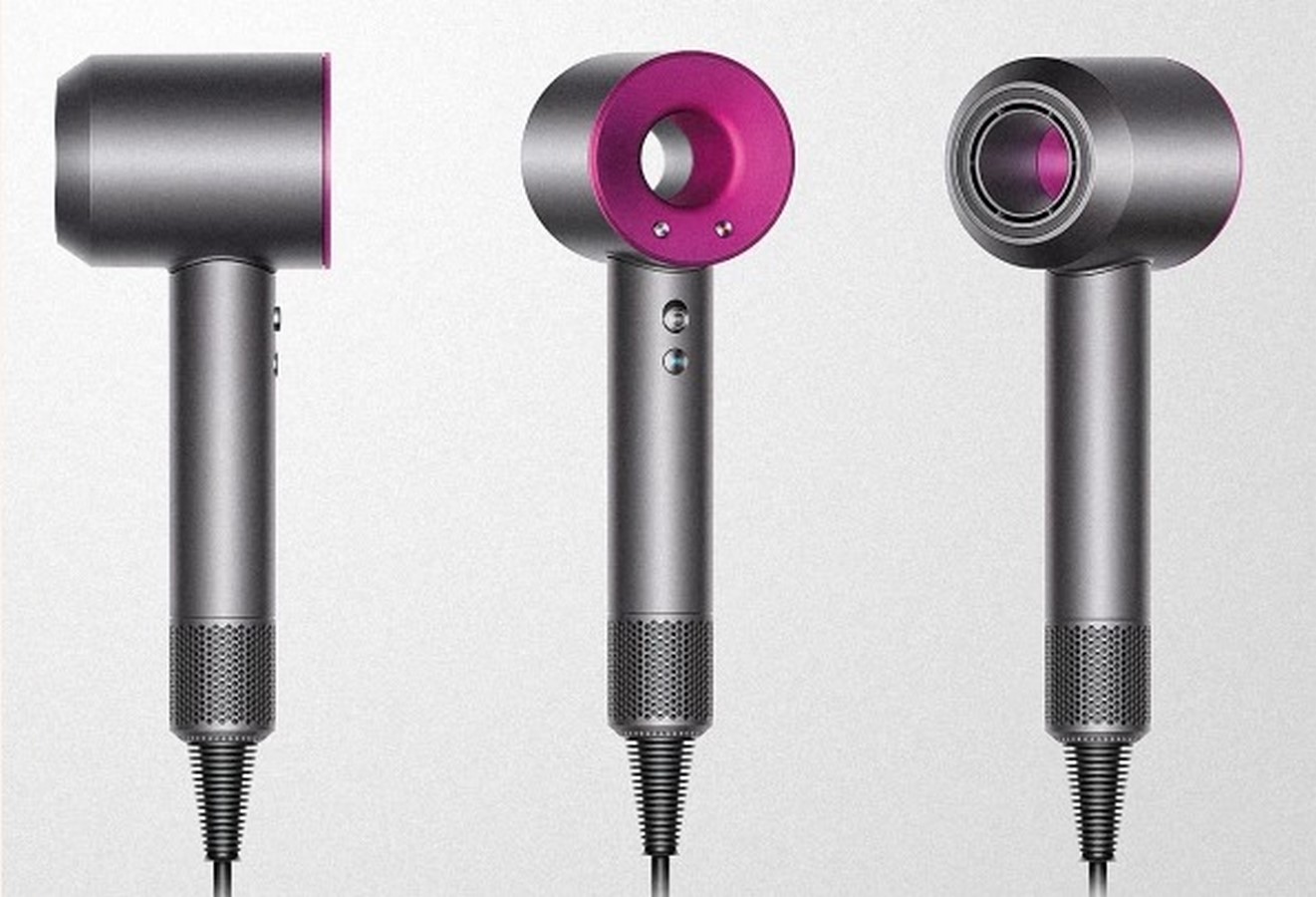
While product design is an ever-evolving process, there are still several challenges that could prevent product designers from reaching their product goals. For example, after creating a prototype, your team might encounter a design flaw that negatively impacts the user experience, even though it was built with the user in mind. This stage in the design process gives you the chance to fix problems before launch. The product design process never truly stops, even once a product reaches maturity.

Skills you can learn in Marketing
Originally from Wirral in the UK, he kicked off his writing career in Melbourne in 2015. Since then he's worked in Serbia and Austria in content strategy and content design at agency, startup, and enterprise levels. In his free time, John likes chasing his toddler son around, hiking, and staying up too late to watch his beloved Liverpool FC. Their documentation has a clean and uncluttered interface, which immediately welcomes users with a prominent search bar. It also offers handy guides for those users who want to dive straight into learning more about Stripe.
Products
This gives you a simple way to make changes to all of your product pages at once without having to edit any code. At the top of the page, you’ll see a blank field for your product title. You can also include phone and email support, and that too can be clearly presented right on your product pages. One use of product recommendations is to help shoppers find what they’re looking for if the product they’re currently looking at isn’t meeting their needs.
How to grow as a product designer
The findings from the first stage are used to give crucial shape and direction to a product idea. Everything you learn in the research phase will inform how your product takes shape. The research phase comprises both user research and market research.
The interactive Figma canvas brings ideas to life with robust vector design tools, powerful shape automation, advanced typography controls, and a vast asset library. Developers can access production code from the platform, leading to easier handoff. Figma's native integration with other tools through its API also keeps teams connected across tools, including UserTesting. Whether it’s Photoshop, Acrobat Pro, or Lightroom, you’ve probably used an Adobe product before.
The most successful products address a specific challenge or problem for a particular target group. If you’re designing a digital product, you need to think about how the product interface will look and function. For example, Offerman Woodshop creates custom wood furniture, among other items. This product page features two of their tables, and the prices are right there, impossible to miss. At the time of this writing, one of the tables also had a “sold out” graphic included in the product photo, telling potential customers interested in that table that they’ll have to wait to buy it.
KPU design grad students show case their projects - Richmond News
KPU design grad students show case their projects.
Posted: Fri, 26 Apr 2024 23:35:00 GMT [source]
Integrations with Computer-Aided Manufacturing (CAM) solutions via SOLIDWORKS Model-Based Definition eliminate translation errors and support communication with manufacturers. Smooth artboards transitioning across documents allow you to dive into details while maintaining the surrounding context. Meanwhile, advanced grid and layout features, such as dynamic symbol linking, streamline the process of building iterative, consistent interfaces. Smooth version history, documentation, and handoff help teams visualize changes over evolving prototypes validated by user input.
The Interconnectedness of Roles
As highlighted in our article, a product designer’s role is broader than a UX designer's, encompassing a range of responsibilities from concept to completion. Acquiring a solid foundation in design principles and hands-on experience is critical. Interaction Design Foundation offers many courses that can guide you in honing your design skills and techniques, setting the groundwork for a promising product design career. Paying special attention to form, touchpoints, and functionality, they work through all phases of the product lifecycle from inception to completion, with an eye toward both user needs and business goals.
Conduct user and market research
Just because a product’s value proposition differs from your own doesn’t mean it can’t provide solutions to some of the problems your product intends to address. Product design is the multidisciplinary approach of identifying real users and their problems and designing a solution to those problems. While both roles require a keen eye for design, the specific skills and qualifications differ.
Some organizations may therefore fail to distinguish them from UX designers, while others may load even more responsibilities into the job description. In some instances, such as start-ups, you may find yourself acting as half the design team alongside a developer. The product design process is, at its core, a problem-solving endeavor. It’s about understanding the challenges your target users face and coming up with effective solutions—then designing those solutions to ensure that they’re desirable, usable, and accessible. Product design testing is critical for validating concepts and designs with representative users. It provides actionable qualitative feedback and quantitative data to identify friction points and improvement areas early instead of post-product launch.
It begins with extensive research to empathize with the target audience before moving on to ideation, design, and testing. But, whatever the product, every product design process comprises thorough research, hands-on design, product testing, and continuous iteration. And most importantly, the product design process is always firmly rooted in design thinking. Now’s a good time to take a quick look at why there’s such a high demand for product designers.
You’ll also need to be adept at creating journey maps and conducting user research, as well as creating wireframes, prototypes, and high-fidelity designs to help make decisions and present your ideas. Now that we’ve explored the design thinking process, you’ll probably have a good idea of the skills that a product designer needs. We’ll then explore what product designers do on a day-to-day and longer-term basis and what skills they require. Our final section will be an overview of how you can become a product designer before we wrap things up with some key takeaways.
Then, include more information and data in the long description that falls beneath the item. Now that you know what you should include on your product pages, it’s time to create them with WooCommerce. An FAQ page isn’t always the best approach for this, because some people won’t think to look for one, and it’s unlikely that questions about specific products would be answered there. Whatever the product, be sure to provide all the details people will need to be sure they’re buying the right item.


Comments
Post a Comment